Skip to content
In the home and living space, we can smell cat odor, which creates pressure. Odors can often linger on carpets, floors, and soft furnishings. Most owners feel ashamed when guests smell bad indoor odors. The pungent smell of urine is pervasive in/among small enclosed rooms. Messy litter boxes only lead to more discomfort and lingering smells.
It gives relief very effectively as it improves indoor aromatic conditions easily. Plant-based oils provide soft and safe scents without harsh chemicals. They also keep our living spaces clean, healthy, and welcoming. Usage that is safe protects cats from respiratory or even skin problems. This guide covers simple ways to naturally manage cat odor.
What Causes Odor
The indoor cat odor is almost always due to hidden urine mistakes. Fresh urine has potent acids that cause bad smells in houses consistently. That pungent odor can last several days if left untreated. Dirty litter boxes harbor bacteria and make entire households smell worse. Mild body odor may set in over time on damp or uncrushed fur. Old carpets or upholstery absorb urine stains, making indoor odors even more pungent.
The smells picked up indoors can be harder to notice and linger if ventilation is poor. Some health problems alter natural odor, which can also make indoor scents more pronounced. Poor cleaning leads to persistent indoor odors that are hard to eliminate. Regular upkeep minimizes odor and combats pungent feline smell efficiently.
Why Choose Natural Oil Solutions
Natural oil solutions effectively address potent indoor smells safely. Plant oils are derived from natural herbs and safe sources. None of them are harmful chemical substances or irritants. Artificial spraying can actually deepen odors in the house and potentially harm cats. These oils act quickly and naturally in breaking up sources of foul odors. They effectively combat bacteria that cause stubborn indoor smells.
They also establish a healing, relaxed, and inviting atmosphere. Ginger oil used in proper dilution can be applied safely without aggravating indoor household odors. Controlled usage provides lasting freshness and manages even the most stubborn indoor odors. They are safe, effective, and deter recurring cat odor from indoors.
Best Natural Oils
Essential oils are really useful in getting rid of bad odors from your house. When used properly, these oils effectively help to decrease strong cat odor. When applied correctly, they provide long-lasting results and better air.
- Lavender oil has a calming scent and helps control interior odors.
- Lemon oil, with its bright fragrance, cuts through lingering odors.
- Eucalyptus oil provides a crisp scent while tackling stubborn odors.
- Tea tree oil has natural antibacterial properties that work wonders for odor elimination.
- While it offers a refreshing scent, peppermint oil also plays a role in combating cat odor.
- Rosemary oil imparts a subtle scent while lending natural freshness indoors.
- Diluted small amounts make it safe and effective for eliminating nasty indoor smells.
- Essential oils offer long-lasting effectiveness in eliminating household odors.
How to Use Natural Oil
Add a few drops of essential oil to the water. Always shake before each use for even distribution. Simply spray affected places lightly to dial down powerful smells inside quickly. Do not saturate the surface with excess liquid, which may perpetuate odors. Ventilate the surface to dry completely, eliminating lingering household odors. Use a diffuser to disperse fragrance and reduce lingering smells.
Refrain from letting cats touch them during the treatment, as they can come in contact with oils. Open windows to vent to eliminate heavy odors and get air moving. Remove odors in hard floors with mild oil solutions. Get dry completely after cleaning to limit bad household smells.
Safe Use of Oils
Cats have sensitive systems that can be affected by essential oil ingestion. If not used properly, some oils can be irritating or exacerbate indoor odors. Make sure to always dilute properly so as not to cause pain or health problems. Keep concentrated oils away from pets in confined spaces. If you notice signs of discomfort during indoor odor treatment, pay attention.
If you get a reaction, immediately discontinue applications when controlling household odors. Do not store oils where cats can accidentally gain access, since this is potentially fatal to felines as well. Oils should not be used around kittens who are sensitive to strong smells and fumes. Seek professional recommendations about essential oils and safe use indoors.
Practical Tips for Reducing Cat Odor
- Litter Box Maintenance
Keep litter boxes clean to minimize the strong cat odor. Cleaning them daily prevents odors from spreading in the house. Changing litter regularly helps prevent bacteria and odors from accumulating.
- Bedding and Furniture
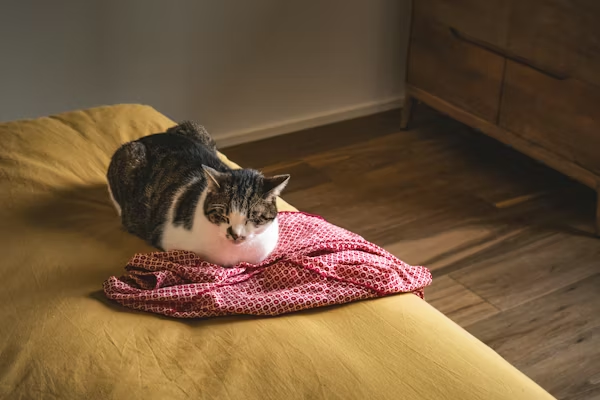
Regular washing will help keep dirt and indoor cat smell trapped in the bedding. Vacuuming carpeting removes fur that lingers and causes odors throughout the house. Frequent brushing of cats will minimize shedding and prevent odors from spreading.
- Air Circulation
Opening windows and doors lets new air in to carry away the stink. Baking soda absorbs excess moisture and naturally helps reduce lingering household cat odor. Regular air circulation prevents heat and bacteria buildup, causing strong indoor odors.
- Food and Water Areas
Maintaining a balanced diet and freshwater to drink will eliminate strong odors inside. Using mats under food bowls prevents spills that deteriorate indoor cat odors. Regularly clean feeding places to remove leftover food and prevent bad odors.
Natural Oils’ Benefits
Safe and effective control of cat odor using natural oils. They lessen reliance on chemical sprays, which can amplify odors in the home. Plant-based extracts allow for environmental cleaning while keeping indoor odors at bay, day-after-day. These solutions are easy and inexpensive and help avoid pungent indoor musks. Used correctly, it gives long-term results in removing stubborn household odors.
Gentle fragrances avoid overpowering spaces, while neutralizers work effectively. Regular use makes you continuously more effective at eliminating those persistent indoor smells the natural way. A good environment also increases the air quality with a reduced smell.
Common Mistakes to Avoid
Do not use irritating indoor oils too much. Strong scents can disrupt sensitive pets and ward off household odors. Avoid blending a variety of oils together; it exacerbates indoor odors unnecessarily. Diluting everything too much can raise risks and make indoor household odors worse. Terminate indoor odor treatments immediately if you ever notice signs of irritation. It’s not a substitute for deep cleaning to eliminate pungent odors.
Always test diluted solutions on a small area before full application indoors. Never spray directly near sensitive spots that create odor build-up. Ensure safety by following proper dilution guidelines when managing indoor household odors. Responsible application is key to something going well and avoiding cat odors from returning indoors.
Conclusion
Odor-removing natural oil formulations to eliminate stubborn indoor cat odor. They offer safe, long-lasting, and natural control of indoor odors. Because plant-based oils can both refresh living areas and reduce the need for repetitive removal of cat odor. Dilution makes sure that cats are safe while treating indoor odors. Cleaning regularly can help improve the quality of fighting odors around the house.
Healthy habits prevent accumulation and naturally minimize pungent indoor odors. That is settled. Use these simple steps to keep stagnant air fresh and stagnant household odors flowing. These natural solutions are inexpensive, eco-friendly, and effective for preventing indoor odors consistently.