 Skip to content
Baby rabbits’ caring tips help guide proper beginner rabbit management. Baby rabbits are little creatures that need strict care every day. This makes novice rabbit owners get nervous when exploring how to raise rabbits safely. Make sure you are taught the correct methods for balanced development and happiness.
They thrive with proper care and are not afflicted by common health problems. If you understand these habits early, then mistakes are not made during the raising. Accurate information instills breed accuracy and encourages responsible pet ownership. Rigid routines ensure stability and contribute to longevity in rabbit life.
Understanding Baby Rabbits
Newborn rabbits are referred to as kittens. They need warmth and soft bedding, food, and gentle handling. First growth bones and body are still fragile. Sleep is crucial for growth and development. Kits explore their surroundings and quickly respond to sounds. Fear or stress decreases appetite and daily activity. Being in quiet spaces increases comfort and emotional balance.

They also require a balanced diet and secure shelter to keep them safe as they grow. They are built to bore, peck, and frolic. The early bonding leads to emotional security and stable behavior patterns. Frequent observation helps identify these unusual changes in behavior earlier and faster. Here are the caring tips to follow for baby rabbits for balanced stages of growth.
Choosing a Safe Home
Baby rabbits falling victim to a few predators. These same materials that provide softness also help with body heat retention. Infections and a buildup of bacteria can be caused by dirty cages. Good ventilation lets in a new airflow to the cage. Wide open areas promote movement and muscle building. Quiet placement prevents stress and panic fear responses. Stable temperature is essential for health in seasonal changes.
Cage locks keep escapees and outside threats out. For fungal infections, less humid = less risk. Good light supports natural sleep and wake cycles. Better housing safety standards can be achieved by following baby rabbits’ caring tips. A cage made from strong materials ensures durability and excellent long-term protection.
Feeding Baby Rabbits
In the first weeks, mother’s milk remains the nutritious stuff. Digestion will also have to adjust as vegetables are gradually introduced. Safe drinking water has to be available every day. Introducing food in the early years may harm digestion.
- You never have bloating and stomach pain problems if you take it in smaller portions.
- Fresh food should be clean and free of pesticides.
- Balanced diets mean immunity and healthy growth.
- Regular meal breaks promote digestive rhythm stability.
- Nutrition encourages the formation of bone and muscle.
- Preserve palm-sensitive digestion; ditch skipping meal patterns.
- Two baby rabbits’ care tips to make sure their diet intake is properly balanced.
Various sections may also be entered in bullet format as well as paragraph style.
Handling With Care
Soft picking preserves fragile bones and soft details. Increased fear and stress response to sudden noise. Less handling means less chance to hurt them. Gentle contact facilitates comfort and attachment. The lack of support beneath the body will cause falling accidents. Controlled interaction maintains safety during day-to-day routines. Quiet environments foster relaxed behaviors.

Rough treatment may leave long-term anxiety even for day-to-day events. First, gradual contact builds trust and safety. Less panic response is an outcome of slow actions. Holding for stability avoids sliding and sudden injuries. Proper handling practices improve with baby rabbits’ caring tips.
Health and Hygiene
What early identifications our eyes and ears also make identify illness. Swelling or discharge suggests possible infection problems. You should rush him to a vet right away. Clean dishes and the prevention of bacterial contamination. Replacing the bedding daily so as not to grow parasites. Weight monitoring assists in balancing out the periods of physical development. Vaccination schedules for common infectious agents
A clean environment translates to fewer complications concerning respiratory health. Cleanliness prevents harmful germ formation. A wellness environment has a gradual rise in immunity and strength levels. Preventive care lowers the likelihood of needing medical treatment in the future. Baby bunnies are known for keeping things clean, and following baby rabbits’ caring tips will improve hygiene management standards.
Grooming and Teeth Care
- Fur Care
Brushing dislodges loose fur and superficial dirt. Long hair or big fur and brushing maintenance are regular for long-haired cats. For worry-free hygiene, wipe with a damp cloth. A healthy coat is a reflection of proper nutrition. Prevent any hidden skin irritations with regular inspection.
- Nail Care
Trimmed nails reduce unwanted scratches and injuries. Use clean tools to avoid spreading infection. Dangers to your dog’s claws and how often you should trim dog paws. Regular trimming prevents extreme overgrowth, which can become uncomfortable for them to walk on.

- Teeth Care
Inspecting teeth avoids overgrowth and feeding problems. Healthy chewing habits are supported by proper dental monitoring. Development of a firm structure for teeth is done with the help of a nutritious, balanced diet.
Socializing and Play
Gentle play promotes movement and development of muscles. Toys that are safe engage the mind and encourage curiosity. Making calm introductions lowers anxiety and fear responses. Regular physical activity helps in building your physical endurance levels. Lack of exposure breeds anxiety and social fragility. Make quieter play areas for relaxation and comfort. Ensuring balanced exercise will save boredom-related behavioral issues.
Emotional development requires stability in routine. Exercise is key to developing coordination. More social equilibrium helps accommodate environmental transitions. Trust and confidence in the behavior are reinforced by daily interaction. Improved social development outcomes through baby rabbits’ caring tips.
Training Tips
Litter training helps to keep living space clean. A routine provides structure, and children learn through examples, which are provided in a way that behaviorally adapts them to do so. Positive reinforcement is used to make habit-forming processes. Cleanliness helps to promote health. Give them little bits of information to help guide them over time repeatedly. The reward-based method promotes repeating correct actions.
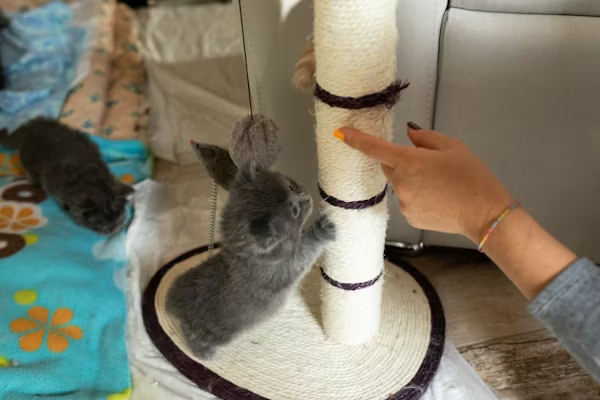
Structured coaching prevents lengthy time period hygiene matters. Ongoing oversight guarantees consistent advances in conduct. Less chaos means you can form habits more quickly. We become reliable patterns that empower, and they know what to expect from us and are less confused. A clear structure builds stable behavioral comprehension.
Conclusion
Baby bunnies are fragile, and if you have one as a home pet, it needs time to be treated well. Housing, nutrition, and hygiene are foundational drivers of stability. Grooming and Training: Reasonable physical development. Emotional health and comfort are made better by social stability. Regular duplicates make for solid rabbit development. Balanced care: a low risk of disease, less stress, and rabbits warranted good management during the 10 years.
Health is that thing we do so we can live longer and feel better. Following the baby rabbits’ caring tips allows for their long-term health and stability. If properly attended to, they tend toward good behavior and steady growth. Healthy environments during early development support comfort and safe growth. A well-planned structure will bolster overall and holistic management of rabbit health.


Great guide—clear, compassionate, and very informative. You’ve explained the risks and feeding alternatives for orphaned baby rabbits in a way that’s easy to understand, especially for first-time caretakers. This article can truly help save tiny lives.
Thank you for the thoughtful feedback. I’m happy to know the article can help first-time caretakers care for orphaned baby rabbits safely