 Skip to content
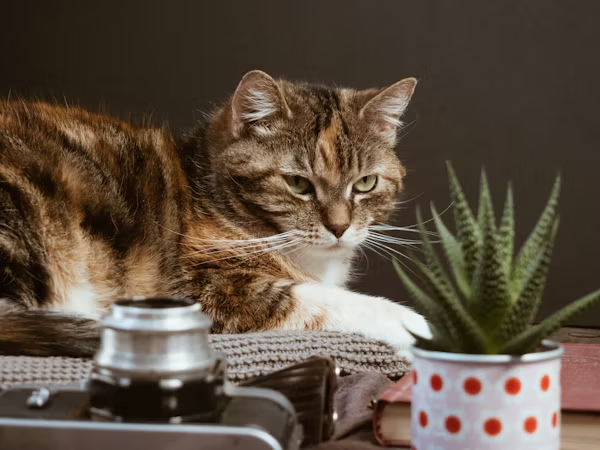
Peonies are vibrant blooms kept in many homes and gardens. Some pet owners are concerned if peonies are safe for cats indoors. They have a sweet fragrance and bloom in spring and summer. Cats may chew leaves or petals or stems in the home. In this article we answer whether peonies are safe for cats and healthy for your cat.
Peonies are beautiful on the inside but can be dangerous to eat. Indoor cat plant safety is very important. Plant supervision reduces the risk of accidental consumption and its consequences. With proper care, decorative gardens can be a pet’s safe garden.
What Are Peonies?
Peonies are broad-leaved, soft-petaled plants. They are grown in pots, soil, or garden covers with sun. Flowers come in pink, red, white, and tender pastel colors. Peonies generally bloom mid-May through early June, and flowering typically lasts a few weeks. Strong, tall stems bear these flowers. Peonies require water, sun, and soil that drains well.
Healthy care for vibrant growth and flowering for longer. Regular pinching controls the plants and promotes continuous growth. Spacing your garden is important because the roots need room to spread out. Maintenance routines maintain the health of plants and the quality of interior decoration.
Why Cats May Be at Risk
Indoors, cats commonly ingest leaves, stems, or petals by mistake. Peonies contain paeonol, a toxin that can be dangerous to cats. Vomiting, weakness, or abdominal pain can occur even after small amounts are ingested. Cats are sensitive in their digestive systems and will react to a plant they eat that is toxic. Curiosity can lead to unintentional exposure to toxic plant parts.
Chewing the stems or leaves can irritate mouths and stomachs. Indoor cats are more at risk when plants are accessible. Poisons can make young children drool, vomit, or become unusually tired fast. Observation can save from serious problems or fatal illness. Being knowledgeable on peonies safe for cats can help avoid poisoning scenarios.
Symptoms of Poisoning
- Vomiting and drool are common early indicators.
- Diarrhea and abdominal cramps can develop within hours.
- Disappearance or abnormal rest may suggest an early poisoned state.
- Heavy breathing may occur following acute consumption of plant parts.
- Anorexia can persist for several hours post-ingestion.
- Lassitude or prostration may come in short order after eating the leaves.
- Restless or increased movement in cats may indicate toxicity.
- Profuse drooling and vomiting usually indicate emergency veterinary treatment.
Some symptoms appear depending on the amount eaten and plant type. Prompt veterinary care can help stop internal organ problems from getting worse. Determining whether peonies safe for cats can help determine risks in advance.
Are All Peonies Dangerous?
All species of peony are risky for indoor cats and pets. Both fresh and dried plants are poisonous, as well as the stems and leaves. Even in small amounts, it can cause mild to moderate sickness. Indoor bouquets with peonies are also toxic to cats. Even in small amounts, it can immediately trigger vomiting or stomach upset. Plant poisonings often go undiagnosed in homes with indoor cats and dogs.
Peonies should be placed out of the way to avoid such mishaps altogether. There is no peony type that is entirely safe indoors in a room with cats. The surest thing is to keep peonies out of her reach. Harmful substances can cause irritation in mucous membranes and the digestive system. Knowing which peonies safe for cats minimizes risk and keeps your pet safer.
Safe Flower Alternatives
It is safe for roses, orchids, sunflowers, snapdragons, and marigolds. Violets and gerbera daisies are safe indoor plants without toxicity. Nontoxic flowers offer decorative enjoyment and are safe for these pets in homes. Selecting safe flowers minimizes the danger for nosy indoor pets.
Potted plants enable accurate location control and remain decorative. Pet-friendly, remaining flowers allow your cat to explore without getting hurt. Pet-safe alternatives add color and beauty while allowing animals to remain healthy. Knowing peonies are a safe substitute for cats can help prevent any unwanted disasters.
How to Keep Cats Safe
- Place Plants Out of Reach
Poisonous plants should be kept on high shelves or behind doors. Cut flowers must be inaccessible to avoid inadvertent ingestion. Correct positioning reduces the accessibility of plants but does not detract from interior decoration.
- Use Barriers and Screens
Barriers, nets, or screens can protect cats from poisonous plants. Enclosed environments reduce accidental ingestion and limit exposure to harmful chemicals. The safe placement of plants guards against dangerous entanglements with peony stems or leaves.
- Provide Safe Alternatives and Toys
Training cats to stay away from specific areas decreases possible indoor hazards. Using safe plants and toys can help keep pets busy and entertained while indoors. Supervised exposure to new plants will help avoid ingestion of poisonous leaves.
What to Do in Emergencies
A cat should receive treatment from a vet immediately if they eat peonies. Keeping a part of the plant helps the veterinarian give proper treatment. Fluids, medications, and close observation are often needed for at least six hours. Rapid action raises the possibility of recovery with no consequences. Home remedies should not be relied upon, as these may exacerbate symptoms.
Obey the commands of your vet for complete recovery and no relapse. The longer treatment is delayed, the more you risk toxin damage to internal organs. Emergency contacts must always be available for a rapid response. Early symptom reporting enhances the success of treatment and recovery. Knowing what peonies are safe for cats can also prevent potentially fatal complications.
Growing Peonies Safely
Never put your peonies where cats can get to them. Tall vases or glass milk bottles can shield pets from flowers. Your cat is less likely to eat them, recovering from getting sick indoors. With the right care, flowers can stay healthy and not become a threat to cats. Outdoor gardens can be enclosed by a fence to keep pets from plants. Planning plant placement reduces risks while keeping gardens attractive.
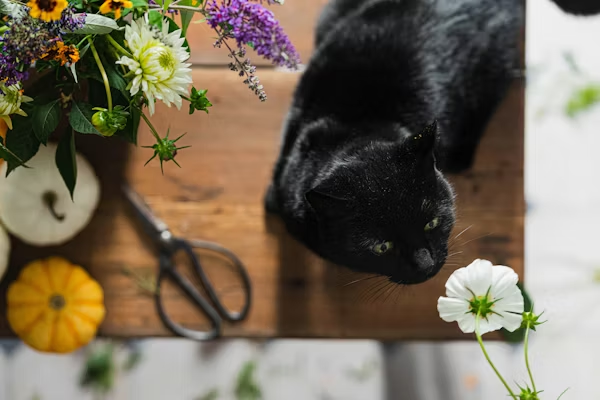
Indoor setups should permit safe entry without compromising on safety. The maintenance provides plants with health and prevents accidents. Being aware of peonies safe for cats can keep a home garden protected. Knowing which peonies are safe for cats allows owners to avoid accidental consumption.
Conclusion
Peonies are some of the most lovely flowers but are also among the poisonous plants for cats. There’s also a risk that just a little bit can induce vomiting, weakness, or stomach pain. Pet-safe flowers add decoration without hurting animals inside the home. Watching plant placement carefully prevents accidental exposure and poisoning. With careful planning, the risks are low and the inside looks so nice.
Pet-safe live plants offer both hazard-free enrichment and decor. Knowing peonies are safe for cats is important for all plant owners. Knowing about plant poisonings helps keep people around plants safe. With the right precautions, you can keep your plants and cats safe. With steady care, beauty and protection are maintained indoors.


2 thoughts on “Are Peonies Safe for Cats at Home?”
Pingback: The Best Ways to Maintain Your Cat’s Wellbeing - Groom Savvy
Extremely knowledgeable content! I found it insightful, well-written, and genuinely useful. Great work