 Skip to content
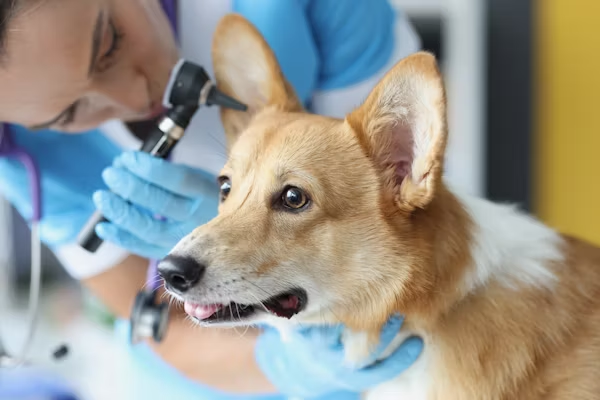
Dog rabies vaccination protects against human rabies deaths and controls rabies in dogs. Vaccines protect dogs from illness and reduce the likelihood of spreading the virus. Pups threatened by rabies can be saved if they’re vaccinated early. Knowledge about rabies leads to a safe and secure dog population. Good care and vaccination will certainly enhance the overall health throughput of your dog.
Priority vaccination plans considerably mitigate local disease transmission. Scheduled vaccination ensures dogs are protected and resistant to fatal diseases. If you do the above, the protection offered by the rabies virus will last your lifetime. A strong immunity accumulates in long-lived dogs, and this lessens early mortality.
What is rabies?
Rabies is a dog virus that attacks the brain. It is transmitted through saliva or bites of infected animals. Animals become aggressive and fearful, and they behave differently. In advanced disease, drooling, generalized muscle weakness, and even paralysis may be seen. Rabies kills all but a few of those left untreated. Vaccination is the most powerful weapon available to prevent the spread of the virus and save dog lives.
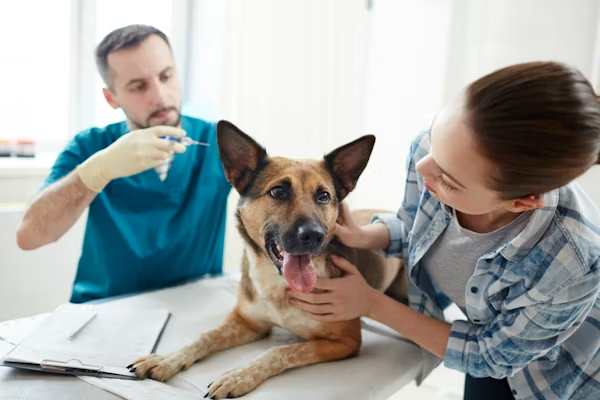
Diagnose early to have better odds of avoiding disease incidents. Vaccination against canine rabies protects against infection and builds safe dog communities. Knowledge of rabies is necessary to enable the practice of appropriate prevention and control measures. Signs can develop a few days or up to several weeks post-infection.
Why Vaccinate Dogs?
The good news is that vaccines can protect dogs and their communities from agonizing infections. Vaccinated dogs are much less of a threat to humans, but unvaccinated ones are at high risk. Outbreaks in local populations of dogs are less likely due to herd immunity. A large number of countries have made rabies vaccination mandatory for all dogs.
Life and quality of life are increased for the dog by vaccination to a very high degree. Vaccination effectively decreases so much medical cost for disease treatment. Good dog health is the best prevention against viruses. Strong and healthy dogs can fight illness effectively and help reduce risks of spreading. Long-term protection against rabies is established through regular dog rabies vaccination.
Signs of Rabies in Dogs
- In rabid dogs, these changes occur faster.
- Rabid animals will display signs of aggression and biting.
- Affected dogs drool, exhibiting fear and anxiety.
- Paralysis and weakness develop in the terminal disease.
- Odd barking could be a sign that the rabies virus is just starting to enter the dog’s system.
- Infected dogs may be sick frequently and restless, even hiding.
- Anorexia or lethargy is manifested during the infection.
- Increased itching or irritability might be a red-flag sign.
Modifications in behavior necessitate prompt consultation with a veterinarian. Early detection reduces the spread of rabies efficiently.
Dog Vaccination Schedule
Puppies receive their first rabies shot at 3 months. In the next year, boosters are given to guarantee immunity. Vaccination of adult dogs is recommended every one to three years. There are some areas where it is mandated by law that every dog must be vaccinated each year. Vets advise owners as to when and how to vaccinate their pups. This is so that the vaccinations are administered in a timely manner.
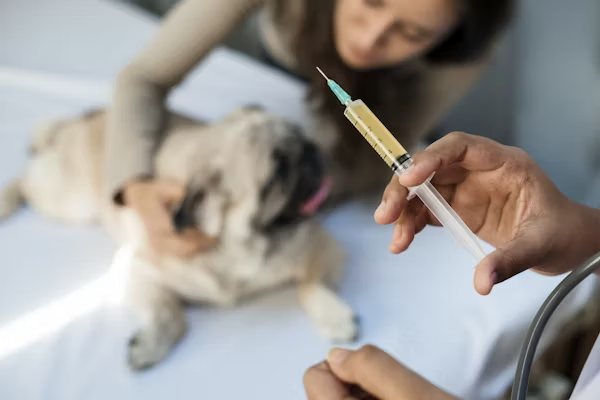
Adhering to a vaccination program results in a high immunity to the rabies virus. Continuous vaccination reduces regional outbreaks as well as dog populations. Dog rabies vaccination must be in place for the life of the animal. Dog herd immunity is preserved via routine vaccination.
How Vaccines Work
Vaccines instruct the immune system on how to combat the rabies virus. Vaccination-induced antibodies protect in a subsequent dog rabies infection. Booster shots provide strong immunity for long periods of time. Vaccines are not a rabies health risk; vaccines do not produce disease. Vaccinations protect dogs safely and efficiently from potentially fatal infections. Immune memory enables an efficient response if there is viral contact at a later date.
Dog rabies vaccination increases population immunity and decreases human cases. Vaccinated dogs are immune and do not shed the infection. The herd immunity will lead to a lower probability of the local occurrence of epidemic rabies. Developing a schedule that makes it easy for the dog to be vaccinated on time in order to gain protection from rabies during its whole life period.
Types of Rabies Vaccines
- Inactivated Vaccines
No special precautions required. Inactivated vaccines are safe for use in healthy adult dogs. They aid dogs in making antibodies naturally towards combating the rabies virus. When done correctly, this type of storage not only keeps vaccines safe but also protects their effectiveness.
- Recombinant Vaccines
Recombinant vaccines are better for sensitive or immunosuppressed dogs. They activate the immune system without causing the illness. Your dog’s veterinarian will advise you on which vaccine is right for your pet.

- Vaccine Administration
Vaccination provides effective protection from rabies and is persistent. Dog rabies vaccination may be given the former or latter, as advised. Vaccines work if and only if they are stored and managed carefully all the time.
Where to Vaccinate Dogs
Get professional vaccinations from these reputable vet clinics. Animal clinics have vaccines and do full body exams on dogs. Mobile vaccination units have access to remote and underserved canine populations. Free rabies vaccination may even be offered locally by government programs. Vaccines must be used only if they are authorized, not until it is determined that they are safe and effective.
Good hygiene helps prevent infection during vaccination. A reputable clinic gives care advice after vaccination, bitten or not. Dog rabies vaccination at reputable places of protection. Routine vaccination programs are important to control rabies at the community level.
Cost of Rabies Vaccination
The prices for vaccination against rabies vary depending on where you are and what type of vaccine is used. A great deal of veterinarian offices provide cheap dog vaccinations. Rabies outbreaks are occasionally prevented using free vaccination by government programs. There are private clinics where fees could be higher for an expedited administration of the vaccine.
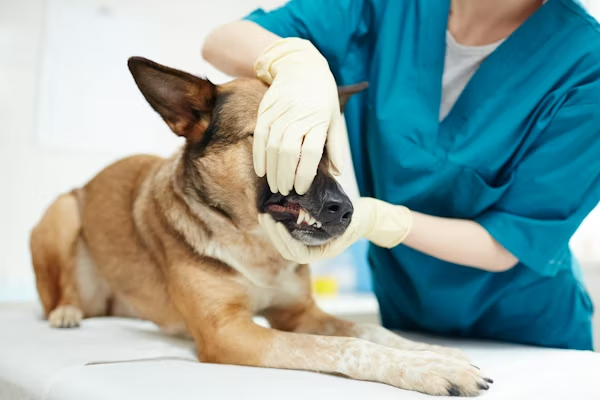
Vaccination is less expensive than post-exposure treatment of rabies infections. Preventive immunization also saves expensive medical treatments in the event of an emergency. Dog rabies vaccination is an economical means of preventing the disease. Budgeting for the vaccines provides a routine of immunization that is regular and can be done without stress.
Conclusion
A rabies vaccination is the best way to protect you and your dog. Timely immunization halts infection and a violent rabid dog. Understanding of schedules and vaccines can increase prevention. When appropriate, however, vaccination may induce a strong immune response and reduce disease-related morbidity. Dog rabies vaccination is an essential aspect of preventive health care delivery to dogs.
This ensures safe dog populations that are protected for life. Public health is involved in the vaccination of dogs. Vaccination further builds herd immunity and reduces the risk of rabies. Our dog communities depend on routine vaccination to stay healthy.


1 thought on “Complete Guide to Dog Rabies Vaccination”
Pingback: How to Keep Your Dog Healthy and Happy - Groom Savvy