Skip to content
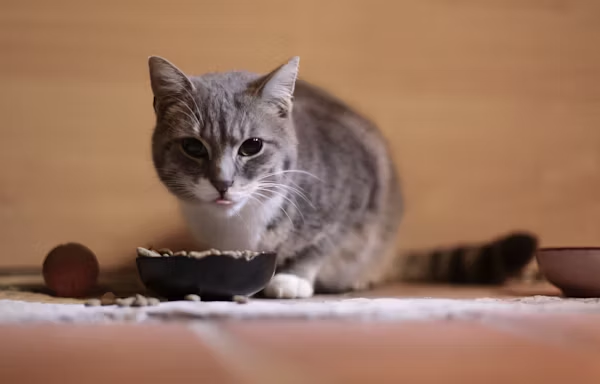
Cats will have long, healthy lives with the proper food. Daily balanced meals deliver strong bones, energy, and shiny fur. Feeding them daily with the right nutrients makes sure that they grow and stay healthy. A healthy cat diet helps your cat not fall sick and gives the cat energy. Nutritious food boosts immunity and healthy internal organ function.
Good nutrition will improve coat quality and digestion and help the body function properly. A recommended feeding routine lays the groundwork for lifelong cat health. Daily focus on diet lowers the chance of chronic health issues. Social conversations engage a group; a proper diet gives both mental alertness and healthy behavior patterns.
Why Proper Diet Matters
Cats that are healthy tend to be longer-lived and stronger, as well as being very energetic. Nutrition nourishes the immune system and provides steady energy. The wrong foods can create obesity or weak bone structure. The correct quantity of food helps in maintaining weight and keeping the body healthy. A healthy cat diet helps their organs work better and keeps them living longer.

A well-balanced diet nourishes muscles, bones, and internal systems efficiently. Eating the same thing reduces your risk of kidney, liver, and heart problems. Adequate meals are the natural medicine to accelerate metabolism and aid in digestion. Wellness improves with good feeding patterns; disease risk reduces.
Understanding Cat Nutrients
Cats are obligate carnivores, meaning they need protein sourced from meat, fish, or other animal products. Consistent protein can promote growth, repair, and maintenance of muscle strength. Fats help give energy as well as hygienic skin and sleek hair. Vitamins boost the immune system and keep bones strong and organs functioning properly.
Minerals such as calcium and phosphorus aid in the development of teeth and bones. It makes digestion better and helps avoid constipation or any abdominal difficulty. A proper diet helps kittens grow and keeps adult cats healthy. Antioxidants prevent cell damage and aid body function. A long-term healthy cat diet fosters feline well-being.
Choosing Quality Cat Food
Look for real meat as the first ingredient in your food. Pass on corn, wheat, or soy that offers little in the way of nutrients. Get those dates checked daily to ensure food freshness. The dry food does help the teeth, but they still need to drink water.
- The best quality food provides cats with all nutrients necessary for growth.
- Steer clear of colors and flavors harmful to a cat’s health.
- Vary flavors for meals to keep cats interested.
- It is the presence of all nutrients in foods that prevents health issues.
- Good storage helps maintain freshness and avoids spoilage problems.
- Alternate dry and wet meals for balanced nourishment.
- Read the packaging for feeding guidelines to prevent over-portioning.
- By keeping a nutrition-sensitive cat diet, the long-term health of felines can be ensured.
The best cat food will keep your feline friend healthy, fit, and active. Having a focus on diet daily ensures energy, digestion, and the health of the entire body.
How Much to Feed
Cats are meant to take little bites throughout each day. Portion control can help avoid obesity, diabetes, and excess strain on the digestive system. Packaging usually has feeding charts that suggest serving size. Feed according to age, activity level, and body condition. Kittens should be fed more often than full-grown cats need to have consistently. Older cats usually require lower calorie food to keep their weight stable.
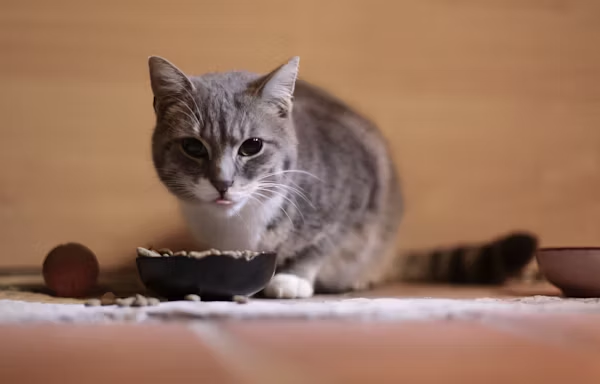
Indoor cats expend less energy than active outdoor cats. Overfeeding causes obesity, stressed joints, or metabolic problems. Adequate proportions sustain physical mass, organ wellness, and general well-being. Feeding a healthy cat diet also requires giving the correct portion size each day.
Homemade Cat Food Tips
Cooked meat is safe when produced safely and in small quantities. For safety, steer clear of garlic, onion, chocolate, and salty foods. Because fiber and other nutrients can be found from vegetables. Cats cannot digest lactose well, and therefore, cow milk is unsafe for them. Homemade meals should not be substitutes for commercial diets. Rice or pumpkin helps in improving digestion as well as provides energy naturally.
Correct cooking destroys bacteria and lowers the chance of food-borne disease. All home-made recipes need to be approved by a veterinarian for nutritional adequacy. Fish are sometimes considered fine sources of omega-3, but bones should always be carefully removed. A healthy cat diet may consist of both commercial and safe homemade cooked foods.
Treats and Snacks
- Limiting Treats
Regularly handing out treats is not an option, as this would lead to pesky weight issues. Protein snacks are better than sugary or processed snacks. Snacks can bring something different to the table, but they shouldn’t be used to completely fill that role.
- Benefits of Healthy Treats
Treats are healthy, keep their fur good, and add nutrients without anything dangerous. Because small quantities featuring energy and pleasure but preventing gorging. Switching out treats keeps cats engaged and prevents food fatigue.
- Tips for Feeding Treats
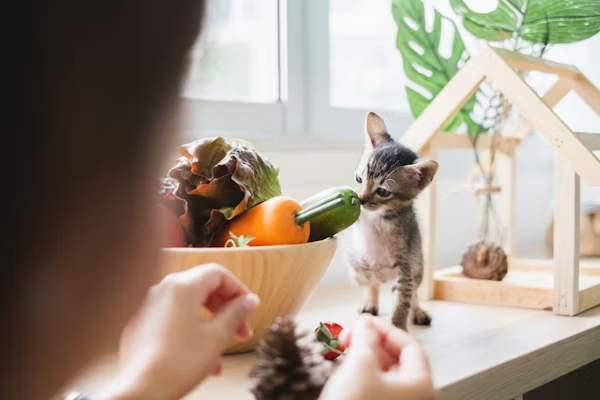
Read labels to make safe and nutritious snack choices. Serve treats after meals to protect regular appetite levels. Meals and treats perfectly complete a well-balanced healthy cat diet. Feeding timing ensures digestive health and appetite regulation.
Water and Hydration
Allows you to make cats need fresh water regularly on a daily basis. Cats drink small amounts, but flowing water encourages them to drink more. Wet food assists with hydration and putting less pressure on the urinary track. Organ function and overall organ systems are well-functioning. When the water is in shallow bowls or fountains, cats drink more, which is conducive to hydration.
Several water stations help you drink water the right way, contributing to better overall health. This method is effective in therapy, as it maintains hydration and avoids other complications. A daily water change is also necessary to prevent contamination with bacteria. A healthy cat diet also consists of proper water intake per day.
Special Diet Considerations
Older cats need diets that are soft and lower in calories to meet energy requirements. Kittens require consistently high-protein meals for this continual rapid growth. Hypoallergenic or limited-ingredient diets for allergic cats. High-fiber, low-fat meals help overweight cats lose weight. Sick cats might require special diets prescribed under veterinary care.

These 4-legged ladies need extra calories and protein. Low-carb diets must be carefully controlled in diabetic cats to maintain appropriate blood levels. Any changes will be slow and supervised for safety. A healthy cat diet helps not just special needs, but health across the board.
Conclusion
These recipes are not a one-size-fits-all approach. Food prevents sickness and fuels and builds muscles naturally. Water, proper portions, and nutrient-rich food always matter. Good habits give regularity in health and can help you through the common problems.
Nutrition makes their organs function better, their coats look healthier, and it helps them live longer. Proper nutrition and hydration also minimize the risk of disease and maximize comfort. Good nutrition provides energy, health, and body condition.