 Skip to content
In some cases, heavy breathing in dogs can indicate serious health issues. Dogs are capable of fast or deep breathing while resting. Some are mild; others require immediate veterinary attention. Seeing breathing can stop future conflicts and heavy issues. Teaching dogs well from the start ensures a lifetime of safety and health. Owners should monitor regular and irregular breathing closely.
This article provides information on causes, signs, and treatments for dogs. Problems should be noticed early before things get worse. Daily observation helps in doing so. Good care always keeps dogs calm, healthy, and safe. It is obvious to see how attention improves life quality and overall dog health.
What Is Heavy Breathing in Dogs
Heavy breathing in dogs refers to rapid or deep respiration. Dogs can aspirate air in short bursts. It can even occur while dogs are quietly resting. Ordinary panting cools dogs down in hot weather. Steady, rapid breathing can indicate serious health issues.

Breathing changes need to be checked carefully on a daily basis by owners. Chest movement or flaring nostrils can indicate difficulty breathing early on. Paying attention to breathing helps identify issues before they become acute. Shortness of breath may occur at rest, while sleeping, or after exercise.
Normal Breathing Rate in Dogs
While resting or sleeping quietly, healthy dogs breathe slowly. Adult canines typically breathe ten to thirty times a minute. It is important to understand that small dogs have a quicker respiratory rate than small adult dog breeds. They are relaxed and calm with slow respiration. The respiration of puppies is faster due to energy levels.
Dogs should already be rested and perfectly calm. High breathing rate at rest may indicate serious health problems. Through weekly watch, unusual changes in breathing can be clearly observed at an early stage. Breathing rates may vary by breed, age, or size. The normal patterns differ significantly from those that actually indicate health issues.
Common Causes of Heavy Breathing
Dogs may pant from stress, temperature, or exercise. Intense exercise temporarily increases a dog’s heart rate and breathing.
- Often fast panting is due to fear or loud noise.
- Heavy, rapid breathing in dogs may occur when a stressful situation is present.
- Prolonged labored breathing episodes can be the result of pain or injury.
- Normally obesity complicates the process of breathing.
- Lung issues decrease airflow and increase the work of breathing.
- Respiratory infections can lead to coughing and rapid breathing.
- Allergies can aggravate the airways and make it hard to breathe.
- Things like heat or smoke can aggravate breathing.
Changes that are permanent must be reported to avoid serious health consequences. When aberrant respiration persists for multiple days, veterinary inspections are necessary.
Signs That Need Vet Care
Some breathing issues require immediate veterinary care. Fast breathing that persists during resting is a bad sign. Pale, gray, or blue gums are serious warning signs. Abnormal breathing may be diagnosed from loud coughing or movements of the chest. Refusal of food or water can present with severe breathing difficulties.
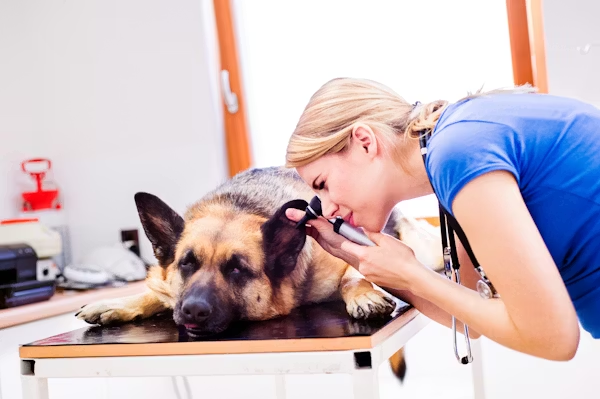
Weakness, fainting, or low energy can accompany rapid breathing. Wheezing or noisy breathing indicates airway obstruction or distress. Rapid shallow breathing is a serious sign of needing veterinary care. Regular checkups detect issues before they escalate.
How Vets Check Breathing Problems
Veterinarians begin by examining dogs physically. Heartbeat and breathing rate patterns are observed as dogs relax. Locating abnormal heart or lung sounds clearly is made easier by chest listening. Blood tests determine causes of dog breathing problems. X-rays, by contrast, reveal problems in the lungs, heart, or chest.
For heart function ultrasound or echocardiogram for some dogs. Results enable accurate diagnosis and direct treatment safely. Breathing problems are worsening health, and early detection prevents that. Topic 03: Oxygen monitors measure how severely dogs are breathing at rest.
Treatment for Heavy Breathing
Treatment for heavy breathing in dogs depends on the underlying condition.
- Heat-Related Breathing Problems
The dog needs water, shade, and cooling immediately for heat stress. The key here is not to run into problems by taking long walks in the heat. Cool regions improve dogs’ ability to recover from panting in safety.
- Infections and Medical Conditions
Lung infections might require antibiotics or anti-inflammatory medication. Heart issues might require daily medications and ongoing close monitoring over the long term. Vet advice allows you to provide appropriate care, helping them recover in a timely manner.

- Pain and Stress Management
Injuries require rest and medicine to improve on their own. Less noise in the environment means less stress and panting as well. Owners need to eliminate environmental stressors to help facilitate clear breathing.
- Weight and Lifestyle Management
Weight reduction allows overweight dogs to breathe better during exercise. Follow-up visits ensure that treatment works, and problems don’t return. Weight lifting strengthens muscles; high-intensity intervals burn calories quickly.
- Severe Cases
Severe cases might require monitoring at a hospital and supportive treatment. Oxygen or other therapies may be accessed by vets in extreme circumstances. Close monitoring so dogs safely recover from dangerous breathing conditions.
Home Care Tips for Dog Owners
Dogs can benefit from daily care and attention that owners provide. Serve fresh water daily to ensure adequate hydration. Provide shade for dogs or bring them indoors, especially during hot weather. Do not engage in prolonged or strenuous activity in hot living conditions. Feed them nutritious diets and control portion sizes for dogs. Daily walks help keep dogs fit and their lungs functioning well.
Closely monitor breathing and note any abnormal changes right away. Quickly contact a vet if heavy breathing in dogs persists. Ensure a clean, safe, and comfortable environment at home for the dog to rest. Gentle petting or massage naturally lowers stress and relaxes breathing. Provide quiet places for dogs to lie without being disturbed.
Prevention Tips for Healthy Breathing
With prevention, dogs stay healthy and breathe normally every day. Taking daily walks enhances heart health and helps keep lung function robust. Ensuring your dog eats a healthy diet keeps weight normal and decreases strain on breathing. Cleanliness and dust-free homes minimize natural breathing allergies.

Routine vet checkups catch issues before the breathing gets too serious. Prevent dogs from overheating on hot summer days. No smoke for the dog, no chemicals, or pollution. A well-maintained dog will calm down and breathe properly. Socializing dogs can help to destress them and stop heavy breathing in dogs.
Conclusion
Heavy breathing in dogs is capable of indicating serious or minor ailments. Some causes are minor and fleeting and respond to simple treatments. Other causes require immediate veterinary attention so that the problem won’t get worse. More frequently, make sure that your pet receives early veterinary care.
Regular care at home stops breathing problems from returning and aids recovery. Healthy dogs remain calm and breathe easily the majority of the time. The right care allows dogs to live long, happy lives free of discomfort and distress. With attention, care, and veterinary guidance, the heavy breathing in dogs can be managed.


loved how clearly this explained the causes and solutions .Every dog owner should be aware of this .